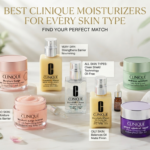
The best face moisturizer is not simply the richest cream or the most expensive jar—it is the formula that matches your skin’s hydration needs, barrier condition, and primary concern. Oily skin usually does best with lightweight gel textures, dry skin needs lipids and richer creams, while sensitive skin benefits most from fragrance-free, barrier-supporting formulas.
Moisturizing is a foundational step for every skin type. Dermatologists note that consistent moisturizer use helps plump and soften skin, supports the moisture barrier, and can slow the appearance and intensity of fine lines over time.
How Moisturizers Work
A good moisturizer generally combines three categories of ingredients:
- Humectants, such as glycerin, hyaluronic acid, and sodium hyaluronate, draw water into the upper layers of skin.
- Emollients, including ceramides, fatty acids, squalane, and cholesterol, smooth skin and support the lipid barrier.
- Occlusives, such as shea butter, petrolatum, and beeswax, form a protective top layer that reduces water loss.
Ceramides deserve special attention because they occur naturally in skin and help keep the barrier intact. When the barrier is compromised, transepidermal water loss increases, leaving skin dry, tight, and more reactive to irritants.
Best Overall
La Roche-Posay Toleriane Double Repair Face Moisturizer is a strong all-purpose choice because it balances hydration, barrier repair, and a lightweight finish. It contains ceramides, glycerin, niacinamide, and La Roche-Posay’s soothing thermal water, and it is fragrance-free.
Its cream-lotion texture layers well under sunscreen and makeup without feeling heavy, making it especially useful for normal, combination, dry, and sensitive skin. Allure’s editors and consulting dermatologists highlight its reliability for stressed or eczema-prone barriers.
Best for: Most skin types, especially dry, sensitive, or combination skin.
Key ingredients: Ceramides, glycerin, niacinamide, thermal water.
Best for Dry Skin
Dry skin needs more than water—it needs lipids that prevent moisture from escaping. Aestura Atobarrier 365 Cream is a standout because it uses ceramides, cholesterol, fatty acids, and allantoin in a fast-absorbing cream texture.
The formula is designed to soften rough patches, reduce visible redness, and boost moisture without feeling overly greasy. Its “micro triple-lipid capsules” deliver barrier-supporting ingredients in a texture that wears comfortably under makeup.
For severely dry or flaky skin, Rhode Barrier Butter is a richer option. It combines five molecular weights of hyaluronic acid with ceramides, polyglutamic acid, and murumuru butter to hydrate and seal in moisture.
Best for: Dry, dehydrated, flaky, or compromised skin.
Key ingredients: Ceramides, cholesterol, fatty acids, hyaluronic acid, murumuru butter.
Best for Oily Skin
Oily skin still needs moisture, but heavy creams can emphasize shine and feel uncomfortable. Lightweight, water-based gels are generally preferable because they hydrate without adding excess oil or clogging pores.
Beauty of Joseon Red Bean Water Gel is an excellent option. It contains 44% Haenam red bean extract, which helps absorb excess sebum, along with glycerin, beta-glucan, panthenol, allantoin, and peptides. The finish is featherweight, cooling, and suitable for humid weather.
The red bean extract also offers gentle resurfacing benefits, while the peptide blend supports a plumper-looking complexion. Its gel texture makes it especially practical for oily T-zones and combination skin.
Best for: Oily, combination, and acne-prone skin.
Key ingredients: Red bean extract, glycerin, panthenol, allantoin, peptides.
Best for Combination Skin
Combination skin needs moisture without overloading the oily center of the face. Dieux Instant Angel Lipid-Rich Firming Moisturizer works well for normal-to-combination skin because it provides meaningful hydration while leaving a healthy, non-greasy glow.
Its formula includes a 3% moisture complex with glycerin, sodium PCA, urea, and sodium hyaluronate, plus plant-derived lipids that mimic the skin’s natural lipid layer. This makes it useful for people whose cheeks feel dry but whose forehead, nose, or chin become shiny.
Those with very acne-prone skin may prefer the brand’s gel-based Air Angel, but Instant Angel is a strong choice for balanced or slightly dry combination skin.
Best for: Normal, dry, and combination skin.
Key ingredients: Ceramides, lipids, glycerin, urea, hyaluronic acid.
Best for Acne-Prone Skin
Acne-prone skin often becomes dehydrated from cleansers, benzoyl peroxide, retinoids, or exfoliating acids. Skipping moisturizer can worsen irritation and trigger more oil production, so a non-comedogenic, lightweight hydrator is essential.
Dr. Althea 345 Relief Cream is formulated for oily and blemish-prone skin. It includes niacinamide, resveratrol, tannic acid, ceramides, beta-glucan, hyaluronic acid, rice bran PDRN, cica, madecassoside, and tea tree leaf water.
The cream absorbs quickly, soothes irritation, and balances combination skin without a thick or sticky finish. It is also fragrance-free and was reformulated to remove ingredients that can contribute to fungal-acne flares.
Best for: Oily, acne-prone, and easily congested skin.
Key ingredients: Niacinamide, ceramides, hyaluronic acid, centella asiatica, tea tree leaf water.
Best for Sensitive Skin
Sensitive skin is not a formal medical diagnosis; dermatologists describe it as skin that reacts easily with stinging, burning, redness, itching, or tightness. A weakened barrier often allows irritants to penetrate more readily.
Illiyoon Ceramide Ato Concentrate Cream is a gentle, fragrance-free K-beauty option built around ceramides and glycerin. It calms red, flaky skin and is light enough for many acne-prone people to use without breakouts.
For highly reactive skin, Vanicream Daily Facial Moisturizer is another excellent choice. It contains five types of ceramides, glycerin, hyaluronic acid, and squalane, with a deliberately minimal formula designed to reduce the chance of irritation.
Best for: Reactive, eczema-prone, or easily irritated skin.
Key ingredients: Ceramides, glycerin, hyaluronic acid, squalane.
Best for Redness and Rosacea
Redness-prone skin benefits from calming ingredients rather than strong actives. Dr. Jart+ Cicapair Intensive Soothing Repair Cream uses centella asiatica, allantoin, niacinamide, and shea butter to soothe irritation while supporting the barrier.
Centella asiatica—often called cica—is widely used in soothing skin care and is valued for its calming, barrier-supportive properties. This cream has a semi-matte finish and layers well beneath sunscreen and makeup.
For more persistent flushing, Dieux Mercy Intense Recovery Cream contains 1% colloidal oatmeal, 10% glycerin, panthenol, bisabolol, allantoin, Tasmanian pepperberry, and licorice root extract. It is fragrance-free and accepted by the National Eczema Association.
Best for: Rosacea-prone, flushed, or inflamed skin.
Key ingredients: Centella asiatica, colloidal oatmeal, allantoin, niacinamide, glycerin.
Best for Mature Skin
Mature skin often needs hydration plus ingredients that support firmness, elasticity, and barrier strength. Innbeauty Extreme Cream Firming & Lifting Moisturizer combines three types of ceramides, peptides, squalane, and plant-derived retinol to hydrate while improving the look of fine lines and elasticity.
Its rich cream texture still layers well under sunscreen and makeup. The peptide content makes it particularly appealing for people in their thirties and beyond who want a moisturizer that addresses early signs of aging without relying solely on heavy occlusives.
For those using tretinoin or other retinoids, SkinCeuticals Triple Lipid Restore 2:4:2 is a premium barrier-repair option. Its 2% ceramides, 4% cholesterol, and 2% fatty acids help replenish lipids that retinoids can deplete.
Best for: Mature, dry, or retinoid-treated skin.
Key ingredients: Peptides, ceramides, squalane, plant-derived retinol, cholesterol, fatty acids.
Best for Dull or Uneven Skin
Dull skin often reflects dehydration, accumulated dead surface cells, or a compromised barrier. Tatcha The Longevity Cream is a bouncy gel-cream designed to hydrate while gradually supporting brightness and elasticity.
It includes an Okinawa-inspired complex of shikuwasa lime, noni juice, and shell ginger, along with nonapeptide-1 and bio-fermented hyaluronic acid. The finish is slightly grippy, which makes it useful as a makeup-prep step.
Because it contains fragrance, it may not suit highly sensitive skin. But for normal-to-dry skin seeking radiance and plumpness, it is a luxurious option.
Best for: Dull, dehydrated, or mature skin.
Key ingredients: Shikuwasa lime, noni juice, shell ginger, peptides, hyaluronic acid.
Best Moisturizer With SPF
A moisturizer with SPF can simplify a morning routine, but it should still be applied generously and reapplied every two hours during prolonged sun exposure. Isdin Fusion Water Magic SPF 40 is a lightweight, water-based fluid that hydrates with hyaluronic acid and vitamin E while providing broad-spectrum UV protection.
It contains Mediterranean algae for antioxidant support and absorbs without a chalky cast, making it suitable for many skin tones. Its serum-like texture also works well under makeup.
Best for: All skin types seeking daily hydration and sun protection.
Key ingredients: Chemical UV filters, hyaluronic acid, vitamin E, Mediterranean algae.
How to Choose the Right Texture
| Skin type or concern | Best texture | Ingredients to prioritize |
|---|---|---|
| Oily skin | Gel or fluid lotion | Glycerin, niacinamide, panthenol, lightweight humectants |
| Dry skin | Cream or balm | Ceramides, fatty acids, cholesterol, shea butter, hyaluronic acid |
| Combination skin | Lightweight cream or gel-cream | Glycerin, ceramides, squalane, niacinamide |
| Acne-prone skin | Oil-free gel or light lotion | Niacinamide, ceramides, centella asiatica, hyaluronic acid |
| Sensitive skin | Fragrance-free cream | Ceramides, colloidal oatmeal, allantoin, glycerin |
| Mature skin | Rich cream or peptide cream | Peptides, ceramides, retinol alternatives, lipids |
How to Apply Moisturizer
Apply moisturizer after cleansing and after any water-based serums or treatments. The general rule is to layer products from lightest to heaviest texture, allowing the moisturizer to seal in the preceding steps.
In the morning, finish with sunscreen. At night, use a richer moisturizer or balm if your skin feels tight, flaky, or irritated. For very dry skin, applying a hydrating serum while the skin is still damp and then sealing it with a cream can improve comfort and hydration.
Ingredients to Avoid If You Are Reactive
If your skin stings easily, avoid stacking strong actives in your moisturizer. Dermatologists recommend avoiding vitamin C, alpha- and beta-hydroxy acids, and retinol in a moisturizer when the goal is primarily to calm and repair a compromised barrier.
Instead, look for short ingredient lists, fragrance-free labeling, and proven soothers such as ceramides, glycerin, colloidal oatmeal, allantoin, bisabolol, and niacinamide. If you have persistent eczema, rosacea, severe acne, or an unexplained rash, consult a board-certified dermatologist rather than relying on over-the-counter products alone.
Final Takeaway
The best moisturizer is the one your skin can tolerate daily and that addresses its main need: oil control, barrier repair, redness relief, anti-aging support, or deep hydration. For a dependable starting point, La Roche-Posay Toleriane Double Repair suits many skin types; choose a gel for oiliness, a lipid-rich cream for dryness, and a minimal fragrance-free formula for sensitivity.