10 Best Neighborhoods to Explore in New York City

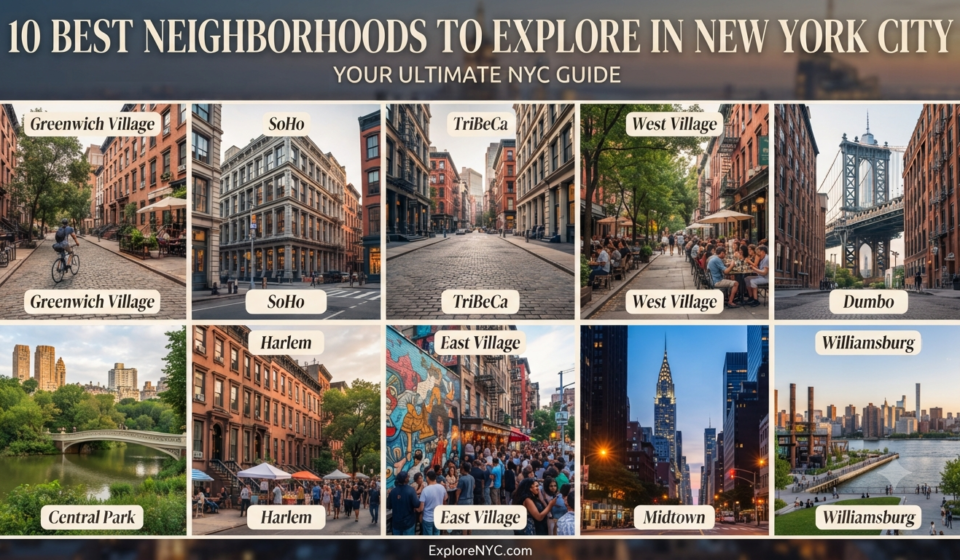
New York City isn’t just a destination—it’s a constellation of distinct neighborhoods, each with its own personality, history, and attractions. From Harlem’s jazz-soaked streets to Williamsburg’s indie music venues, the city’s true character reveals itself block by block. Whether you’re a first-time visitor or a seasoned New Yorker, these 10 neighborhoods offer the richest blend of culture, dining, history, and local flavor.
1. Harlem: The Soul of Black Culture and Jazz
Harlem is more than a neighborhood—it’s a cultural institution. This historic African-American enclave invites visitors to walk its atmospheric streets, explore its storied past, and experience world-class jazz in intimate venues. Start at the National Jazz Museum in Harlem, where artistic directors Jon Batiste and Christian McBride curate serious concert series. Then head to Bill’s Place on West 133rd Street, the last surviving speakeasy on what was once called Swing Street—Bill Saxton’s four-story brownstone hosts the Harlem All-Stars in a 30-seat parlor room at living-room volume. Don’t miss Silvana and Shrine on Adam Clayton Powell Boulevard, which run nightly calendars mixing jazz trios with Afrobeat, Latin, and world music. For food, explore soul-food institutions and down-home restaurants that have fed generations of Harlem residents. A guided walking tour is the best way to cover the neighborhood’s gospel, jazz, and Civil Rights history in context.
2. Greenwich Village & West Village: Bohemian Charm Meets Modern Cool
Greenwich Village and its leafy offshoot, the West Village, are the perfect antidote to Manhattan’s high-rise intensity. Tree-lined streets, classic brownstones, and a bohemian vibe define this historic enclave. Washington Square Park anchors the neighborhood, where street performers, chess players, and NYU students create a vibrant street scene. The Comedy Cellar, where some of the world’s best comedians perform nightly, is a Village institution. Wander down MacDougal Street and Bleecker Street for vintage shops, jazz clubs, and some of the city’s best pizza. The West Village, in particular, feels like a small town within the city—quiet, romantic, and endlessly photogenic. This is old-school NYC with a modern twist, ideal for those who want to escape the tourist crowds while staying central.
3. SoHo: Cast-Iron Architecture and High-Fashion Street Style
SoHo (South of Houston Street) is a shopper’s paradise and an architectural marvel. Its cast-iron buildings house independent galleries, designer boutiques, and some of the best people-watching in Manhattan. Broadway and Prince Street anchor the main shopping strips, though they get busy on weekends—visit on a weekday morning for the best experience. The neighborhood blends major fashion labels with indie designers, creating a unique retail ecosystem where luxury meets streetwear. Beyond shopping, SoHo’s cobblestone streets and loft buildings tell the story of its artistic past, when painters and sculptors transformed industrial spaces into live-work studios. Today, it remains one of NYC’s best neighborhoods for fashion-forward energy and downtown cool.
4. Chelsea: Art Galleries, the High Line, and LGBTQ+ History
Chelsea is a lively, culturally rich neighborhood known for its art galleries, the elevated High Line park, and its vibrant LGBTQ+ community. The High Line—a converted railway turned linear park—runs from Gansevoort Street to Hudson Yards, offering green space, public art, and skyline views. Below, Chelsea Market houses food vendors, artisanal shops, and the city’s best tacos. The neighborhood’s gallery scene, concentrated on West 20s streets, features cutting-edge contemporary art in converted warehouses. Chelsea also holds deep significance for LGBTQ+ history, with landmarks like the Stonewall Inn nearby in the West Village. For a perfect afternoon, walk the High Line, explore the galleries, then grab dinner at one of Chelsea’s innovative restaurants.
5. Upper East Side: Museum Row and Gilded Age Grandeur
The Upper East Side is synonymous with old-money elegance and world-class museums. Museum Mile along Fifth Avenue includes the Metropolitan Museum of Art, the Guggenheim, and the Neue Galerie—a concentration of cultural institutions unmatched anywhere. Beyond the museums, the neighborhood’s tree-lined streets feature Gilded Age mansions, upscale boutiques, and some of the city’s finest dining. Central Park borders the west, offering green space and recreational activities. The Upper East Side feels refined and residential, a contrast to downtown’s frenetic energy. It’s ideal for culture lovers who want to spend days exploring art, history, and architecture in a polished, tranquil setting.
6. Upper West Side: Family-Friendly Brownstones and Cultural Icons
Just across Central Park from the Upper East Side, the Upper West Side offers a more relaxed, family-friendly vibe. Brownstone-lined streets, excellent public schools, and neighborhood parks define this residential enclave. Cultural highlights include the American Museum of Natural History and Lincoln Center for the Performing Arts, home to the Metropolitan Opera, New York Philharmonic, and New York City Ballet. Zabar’s, the iconic gourmet market, is a local institution for bagels, smoked fish, and coffee. The neighborhood’s Broadway corridor (70s–90s Streets) features classic diners, bookstores, and casual eateries. For visitors, the Upper West Side offers a quieter, more authentic slice of Manhattan life—perfect for families or those seeking a residential feel without leaving the city.
7. DUMBO & Brooklyn Heights: Waterfront Views and Historic Charm
DUMBO (Down Under the Manhattan Bridge Overpass) and neighboring Brooklyn Heights deliver some of the most memorable walking and biking in New York. DUMBO’s cobblestone streets, former warehouses turned studios, and postcard views framed by the Manhattan and Brooklyn Bridges make it one of the city’s most photogenic neighborhoods. Start at the classic Washington Street viewpoint, then explore Brooklyn Bridge Park, Jane’s Carousel, and waterfront green space. Grab pizza at Juliana’s or Grimaldi’s, both legendary Brooklyn institutions. Right next door, Brooklyn Heights features America’s first suburb—historic brownstones, the Brooklyn Heights Promenade (widely considered the best skyline view in all of New York City), and the Center for Brooklyn History in a beautiful 19th-century building. Together, these neighborhoods blend dramatic waterfront scenery with residential charm and industrial history.
![Brooklyn Bridge in New York City at dusk or night.]
8. Williamsburg: Brooklyn’s Hipster Haven with Grown-Up Appeal
Williamsburg isn’t exactly under-the-radar—it’s been luring people across the East River for decades—but even as it’s gone mainstream, the area still appeals. The neighborhood is peppered with stylish boutiques, innovative restaurants, and one of the city’s best music scenes. Start at Brooklyn Brewery, which galvanized the local beer scene and remains as rough-and-tumble as when it first opened. Hit the primary-colored bowling lanes at Brooklyn Bowl, drink craft cocktails at Hotel Delmano, or catch sunset from Summerly on the Hoxton’s roof. For food, Williamsburg offers everything from sourdough pizza at Leo to seasonal Italian at Misi, Korean BBQ at Dokebi, and the neighborhood classic Diner for burgers and brick chicken. Don’t miss McCarren Park for people-watching, Domino Park for East River views, and Caribbean Social Club (Toñita’s), the last Latinx social club in the neighborhood, where locals dance salsa and reggaetón. Williamsburg balances old social clubs with new restaurants, creating a texture that feels authentically Brooklyn.
9. Lower East Side: Immigrant History, Nightlife, and Street Food
The Lower East Side (LES) is one of NYC’s best neighborhoods for culture, food, and nightlife. This ethnically diverse area tells the story of successive immigrant waves—Jewish, Italian, Chinese, and Latino communities have all left their mark. Mom-and-pop restaurants are just as popular as the trendy food scene, creating a dynamic culinary landscape. Explore the Tenement Museum to understand the neighborhood’s immigrant history, then hit Essex Market for artisanal vendors and street food. At night, the LES transforms into a nightlife hub, with dive bars, cocktail lounges, and live music venues. Katz’s Delicatessen, a century-old institution, serves legendary pastrami sandwiches that draw crowds from around the world. The LES is raw, energetic, and unapologetically New York—a neighborhood where history and hedonism collide.
10. Chinatown: Bustling Streets, Affordable Eats, and Cultural Markets
Chinatown is a bustling, vibrant neighborhood that offers some of the city’s most affordable dining and a street-market atmosphere unmatched elsewhere. Narrow streets overflow with bakeries, tea shops, herbal medicine stores, and restaurants serving dim sum, hand-pulled noodles, and roast duck. Mott Street and Canal Street anchor the main commercial corridors, where vendors sell everything from knockoff handbags to fresh produce. The Museum of Chinese in America provides context for the neighborhood’s history, while nearby Columbus Park offers a glimpse into daily life—elderly residents play mahjong, practice tai chi, and socialize under the trees. Chinatown is sensory overload in the best way: loud, crowded, and endlessly fascinating. It’s a neighborhood best explored on foot, with an empty stomach and an appetite for adventure.
Final Thoughts: New York Is a City of Neighborhoods
These 10 neighborhoods represent just a fraction of what New York City offers, but they capture the diversity, history, and energy that make the city unforgettable. From Harlem’s jazz clubs to Williamsburg’s breweries, from the Upper East Side’s museums to Chinatown’s street food, each area tells a different story. The best way to experience New York is to slow down, wander without a strict itinerary, and let each neighborhood reveal itself. Whether you’re a first-time visitor or a lifelong resident, there’s always a new block to explore, a new restaurant to try, a new corner of the city to call your own.