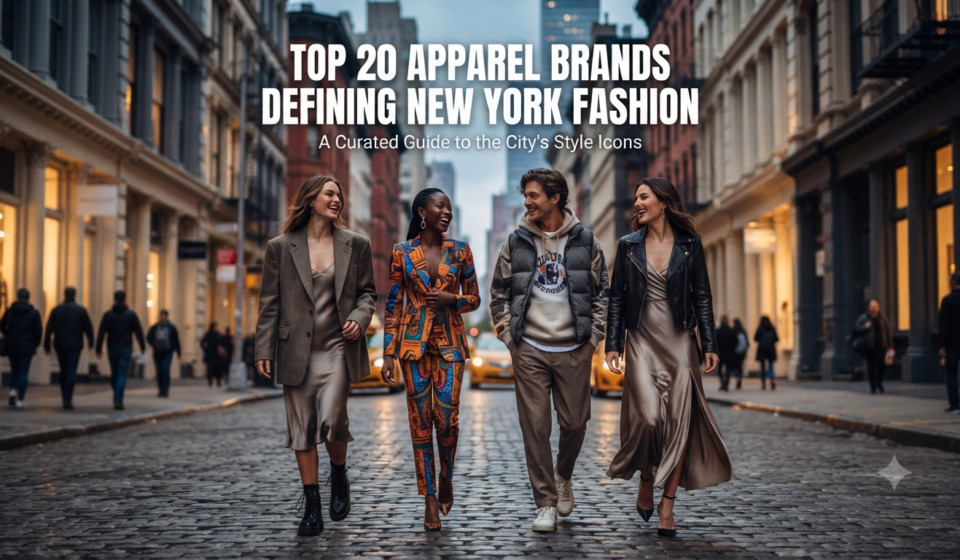

New York has never been just a place to sell clothes. It has always been a place where clothes get invented. The city's garment district, its immigrant tailors, its downtown club kids and its uptown socialites have all pushed American style forward. Below are 20 apparel brands that were founded in New York, are headquartered there, or are so tied to the city's identity that fashion history would read differently without them. They range from a 200-year-old menswear institution to streetwear labels that still start each season with a queue on the sidewalk.
The Heritage Giants
1. Ralph Lauren
Ralph Lauren began in 1967 with a line of wide neckties and grew into perhaps the most complete lifestyle brand in American fashion. Its Polo shirt, cable-knit sweaters, Oxford shirts and tailored tweeds sell an idealized vision of American life: Ivy League campuses, Hamptons summers, Western ranches. Lauren, who grew up in the Bronx, built that world from imagination, and the brand's consistency is its greatest asset. Few labels can sell a $40 polo and a five-figure evening gown under the same name.
2. Calvin Klein
Founded in 1968, Calvin Klein defined minimalist American sportswear in the 1970s and then changed pop culture with provocative denim and underwear campaigns. The logo waistband became one of the most recognizable status symbols of the late twentieth century. The brand's aesthetic of clean lines, neutral palettes and understated sensuality still shapes how New York dresses, and it remains a global name across jeans, underwear and fragrance.
3. Brooks Brothers
Established in 1818 on a Manhattan corner, Brooks Brothers is often described as the oldest continuously operating clothing brand in the United States. It introduced the ready-made suit to American shoppers and popularized the button-down collar shirt, and its garments have dressed presidents. The brand has faced retail turbulence in recent years, but its role in shaping the American businessman's wardrobe is beyond dispute.
4. Coach
Coach started in 1941 as a small family workshop crafting leather goods in a Manhattan loft, inspired by the feel of a baseball glove. Decades later it became a global accessible-luxury powerhouse, and under recent creative direction it has reinvented itself for a younger audience with vintage-inspired bags, playful charms and an emphasis on repair and reuse. It is a good example of how a heritage house can stay culturally relevant without abandoning its craft.
5. Tommy Hilfiger
Tommy Hilfiger launched in 1985 with a bold, preppy take on classic American style, all red, white and blue color blocking and crisp cotton. In the 1990s hip-hop artists adopted the label, giving it a crossover appeal that few preppy brands could claim. Today it is part of a global fashion group, but its American-heritage visual language and its New York roots remain central to its identity.
The Designer Names
6. Michael Kors
Michael Kors founded his label in 1981 and built it on polished, jet-set American glamour. His clothes are wearable, luxurious and unfussy, the kind of camel coats and clean sheath dresses that suit both a boardroom and a dinner. His television presence helped make him a household name, and his accessories business turned the brand into a mass-market phenomenon.
7. Marc Jacobs
Marc Jacobs is a downtown New York original. His 1992 grunge collection for Perry Ellis famously got him fired but became one of the most talked-about shows in American fashion history. He went on to found his own label in 1984 (with his business partner) and spent years at Louis Vuitton before returning to focus on his own brand. His clothes are unpredictable, referential and often gloriously oversized, and his influence on how designers mix high and low is enormous.
8. Tory Burch
Founded in 2004, Tory Burch grew quickly from a single Nolita boutique into an international lifestyle brand. The label is known for the Ballet flat, embellished tunics and a cheerful, bohemian-meets-preppy approach to dressing. Burch also built her company around supporting women entrepreneurs, which has become part of the brand's public identity.
9. Kate Spade New York
Kate Spade began in 1993 with a simple, structured handbag and grew into a brand known for wit and color. Its polka dots, bows and playful prints capture a kind of optimistic Manhattan girlishness. The brand has expanded well beyond handbags into ready-to-wear, jewelry and home goods, all with the same lighthearted spirit.
10. Diane von Furstenberg
Diane von Furstenberg introduced the wrap dress in the mid-1970s, and it became a symbol of women's independence and easy elegance. The design has been reissued and reinterpreted for generations, and the brand remains known for bold prints and flattering, jersey-based silhouettes. Von Furstenberg has also been a longtime leader in the fashion industry, including work with the Council of Fashion Designers of America.
Eveningwear and Bridal
11. Oscar de la Renta
Born in the Dominican Republic, Oscar de la Renta established his house in New York in the 1960s and became the go-to name for red carpet gowns and society dressing. His work combines lavish embroidery, rich color and romantic silhouettes. The house continues after his death in 2014, and it remains a favorite of first ladies and film stars alike.
12. Carolina Herrera
Carolina Herrera opened her New York house in 1981 and became known for crisp white shirts, sculptural ball gowns and a refined, ladylike elegance. Her designs have appeared at countless weddings and galas. The label continues under new creative leadership, maintaining its polished, feminine identity.
13. Vera Wang
Vera Wang opened her bridal salon in 1990 and reshaped the wedding industry with sleek, modern gowns that broke with the frilly conventions of the time. She has since expanded into ready-to-wear, licensing and fragrance. To many brides, her name is synonymous with the contemporary wedding dress.
Modern New York Sportswear
14. DKNY
Donna Karan launched her namesake collection in the mid-1980s with the idea of "seven easy pieces," a compact wardrobe built around bodysuits, wraps and sleek separates for working women. DKNY followed in 1989 as a younger, more casual line inspired by city life. It captured the pace and attitude of New York streets and remains associated with urban, energetic style.
15. Rag & Bone
Founded in 2002 by two British designers who set up shop in New York, Rag & Bone built its name on well-cut denim, leather jackets and tailored basics with a rock-and-roll edge. The brand appeals to shoppers who want quality and fit over flash, and its focus on wearable pieces has earned it loyal customers.
16. Alexander Wang
Alexander Wang started his label in 2005 and quickly became a downtown darling with a mix of athletic-inspired pieces, slouchy tailoring and an after-hours party attitude. He also served as creative director of Balenciaga for a few years. His brand speaks to a younger, nightlife-driven New York sensibility.
17. Proenza Schouler
Jack McCollough and Lazaro Hernandez founded Proenza Schouler in 2002, soon after graduating from Parsons. The brand rose quickly with an intellectual, architectural approach to clothing and accessories, favoring unusual materials and clean structure. It has become a benchmark for the new generation of American designers who blend art, craft and commerce.
The New Guard and Streetwear
18. Thom Browne
Thom Browne began in 2001 with a shrunken gray suit that seemed radical next to baggy business attire. His trademark tailoring, striped grosgrain details and theatrical runway shows have earned him a passionate following and major industry awards. Browne has shown that a designer can stay conceptual while building a serious luxury business.
19. Telfar
Telfar Clemens launched his label in 2005 with a gender-neutral ethos, and it has since become a cultural touchstone. The Telfar Shopping Bag, nicknamed the "Bushwick Birkin," became a sensation for its accessible price and inclusive philosophy. The brand's motto, "Not for you, for everyone," reflects a fashion approach that centers community over exclusivity.
20. Supreme
Supreme opened its first skate shop on Lafayette Street in 1994 and became the most influential streetwear brand of its era. Its red box logo, weekly drops and high-profile collaborations turned t-shirts and hoodies into collectors' items. Supreme has changed owners over the years, but its roots in New York skate culture are still central to its mystique.
Why New York Still Matters
Looking across these 20 names, a few themes stand out. First, New York fashion has always been about the tension between commerce and creativity. Ralph Lauren and Michael Kors show how to build empires on aspirational lifestyle. Marc Jacobs and Proenza Schouler show how to keep pushing ideas. Telfar and Supreme show that the sidewalk can be as powerful as the runway.
Second, immigration and reinvention run through the city's fashion story. Oscar de la Renta came from the Dominican Republic, Carolina Herrera from Venezuela, Diane von Furstenberg from Belgium, and the founders of Rag & Bone from Britain. New York gives outsiders a stage, and the city's clothing reflects that mixed heritage.
Third, the industry is changing. Many of these brands now face pressure to embrace sustainability, digital retail and more inclusive sizing and marketing. Heritage names are being reinterpreted for younger shoppers, and smaller independent labels are gaining ground through social media and direct-to-consumer models. The old model of department store dominance has given way to a more fragmented, more interesting landscape.
For anyone building a wardrobe, exploring these labels is a lesson in American style itself. Start with the classics from Ralph Lauren, Calvin Klein and Brooks Brothers for foundations. Add personality with Kate Spade, Tory Burch or Marc Jacobs. Save the special occasions for Oscar de la Renta, Carolina Herrera or Vera Wang. And when you want something that feels of-the-moment, look to Telfar, Thom Browne or Supreme.
New York's fashion scene will keep evolving, but the ingredients that made these brands successful stay the same: a clear point of view, respect for craft, and an instinct for what people will want to wear next. That is what keeps the city at the center of the conversation, season after season.
Brand ownership, creative directors and store footprints change often, so double-check any details before publishing. I can also put this into a Word doc or an HTML page, or adjust the tone and length for a blog or magazine.