

Jammu & Kashmir remains one of India’s most desired travel destinations because it combines Himalayan scenery, spiritual journeys, cultural depth, adventure sports, and distinctive local experiences in a single region. From Dal Lake’s houseboats to Gulmarg’s snowfields and Vaishno Devi’s pilgrimage, it offers something for nearly every type of traveller.
A Landscape Like Nowhere Else
The first reason people choose Jammu & Kashmir is its extraordinary natural variety. The region moves from the plains of Jammu to pine forests, alpine meadows, glaciers, river valleys, and high mountain passes, making it feel like several destinations within one trip. Kashmir’s valleys and lakes have long earned it the popular description of “paradise on earth,” and the scenery is central to its tourism appeal.
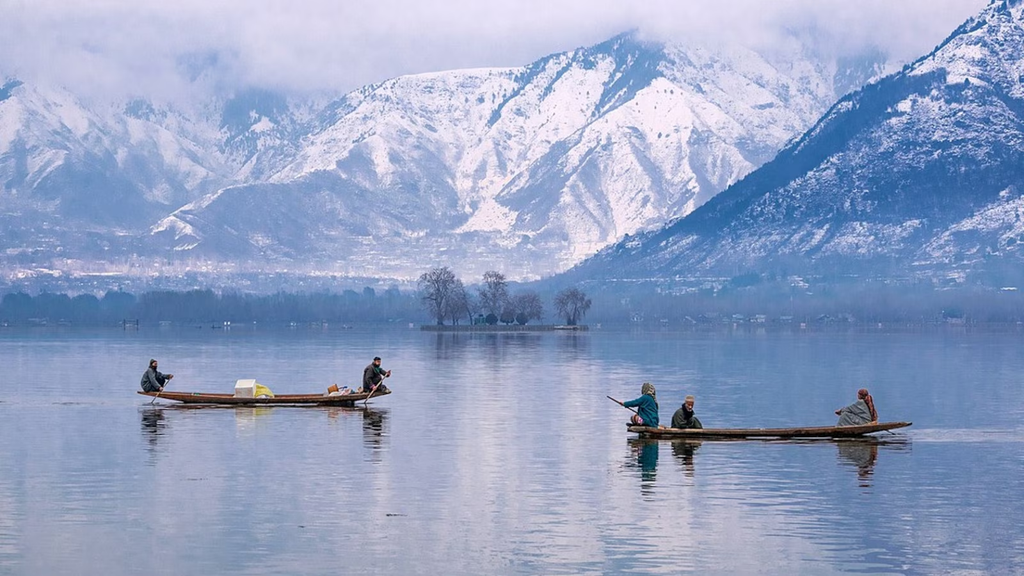
Srinagar, the summer capital, is especially famous for Dal Lake and Nigeen Lake, where visitors can stay on traditional wooden houseboats and travel by shikara. These experiences are not merely sightseeing; they create a slower, more intimate way of experiencing the landscape.
The Mughal Gardens—Shalimar Bagh, Nishat Bagh, and Chashme Shahi—add another layer of beauty. Their terraced lawns, flowing fountains, water channels, and seasonal flowers reflect Persian and Mughal design traditions, making them popular with photographers, families, history lovers, and honeymooners alike.
A Destination for Every Season
Unlike many Indian hill destinations that are attractive only in summer, Jammu & Kashmir offers reasons to visit throughout the year. Spring brings blossoms and green valleys; summer offers cool weather, trekking, and lake stays; autumn transforms chinar trees into shades of gold and red; and winter turns Gulmarg and other higher areas into snow destinations.
Gulmarg is a major draw for winter travellers because of its snow-covered slopes, skiing opportunities, and the Gulmarg Gondola, one of the region’s best-known cable-car experiences. Its combination of alpine scenery and winter sports makes it especially attractive to adventure seekers.
Pahalgam, Sonamarg, Doodhpathri, and Yusmarg attract travellers looking for meadows, rivers, pine forests, and quieter mountain landscapes. These places appeal to visitors who want nature without giving up access to established tourism infrastructure.
Spiritual and Pilgrimage Travel
Religious tourism is one of the strongest reasons people choose Jammu & Kashmir. The region includes major Hindu pilgrimage circuits such as Shri Mata Vaishno Devi near Katra and the Amarnath Cave pilgrimage, both of which draw devotees from across India.
Vaishno Devi is particularly significant. The shrine recorded more than 69.32 lakh visitors in 2025, while Shiv Khori recorded more than 10.56 lakh visitors, showing how important faith-based travel remains to the region’s tourism economy.
For many pilgrims, the journey itself is part of the experience. The mountain routes, local hospitality, and sense of devotion turn a religious visit into a meaningful personal journey rather than a simple sightseeing trip.
Adventure and Outdoor Experiences
Jammu & Kashmir is also chosen by travellers who want active holidays. The region supports trekking, camping, river activities, skiing, snowboarding, mountain biking, horse riding, and high-altitude exploration. Gulmarg is especially known for winter sports, while Pahalgam and Sonamarg are popular bases for treks and scenic excursions.
The landscape makes adventure feel accessible. Travellers can combine a relaxed houseboat stay in Srinagar with a day trip to Gulmarg or Sonamarg, or add a trek around Pahalgam without needing to plan an entirely separate expedition. This flexibility is a major advantage over destinations that offer only one type of experience.
Wildlife and ecotourism also add appeal. Kashmir’s forests and protected landscapes are associated with species such as musk deer, black bear, red fox, brown bear, and leopard, attracting nature-focused travellers interested in flora, fauna, and mountain ecosystems.
Culture, Food, and Handicrafts
People do not choose Kashmir only for its views; they also come for its living culture. Srinagar’s old city, bazaars, mosques, wooden architecture, and craft workshops give visitors a chance to experience Kashmiri identity beyond the postcard landscapes.
Kashmiri handicrafts are globally recognised. Visitors often seek Pashmina shawls, carpets, papier-mâché items, walnut-wood carvings, copperware, and embroidered textiles. These products are not just souvenirs; they represent generations of artisan skill and local heritage.
Food is another powerful attraction. Kashmiri Wazwan, a traditional multi-course feast, includes dishes such as Rogan Josh, Yakhni, Tabak Maaz, and Gushtaba. For food-loving travellers, the chance to experience authentic Kashmiri cuisine becomes a central part of the trip.
Jammu also has its own cultural and commercial appeal. Its markets offer local spices, dry fruits, traditional clothing, and handicrafts, giving travellers a different shopping and culinary experience from the Kashmir Valley.
Accessibility and Familiarity
Another reason for Kashmir’s popularity is that it feels both exotic and accessible for Indian travellers. Srinagar has an airport that can receive larger aircraft, improving logistical ease compared with many remote Himalayan destinations. This makes it easier for families, groups, and first-time mountain travellers to plan a trip.
The region also has a well-known tourism ecosystem: houseboats, shikaras, local guides, hotels, transport services, and established destinations such as Gulmarg, Pahalgam, and Sonamarg. This familiarity reduces uncertainty for travellers who want a Himalayan holiday without the complexity of a fully off-grid journey.
Strong Emotional Appeal
Kashmir’s appeal is also emotional. Many Indian travellers see it as a bucket-list destination because it represents a rare combination of snow, lakes, gardens, mountains, and cultural richness. The phrase “heaven on earth” may be a cliché, but it continues to shape expectations and inspire travel decisions.
For honeymooners, the region offers romance through lake stays, garden walks, snowfall, and scenic drives. For families, it offers a mix of comfortable sightseeing and memorable outdoor experiences. For spiritual travellers, it offers pilgrimage. For adventure seekers, it offers mountains and winter sports. This wide emotional and practical range explains why it remains a top choice.
Why the Top Places Stand Out
| Destination | Why travellers choose it |
|---|---|
| Srinagar | Dal Lake, houseboats, shikara rides, Mughal Gardens, old-city culture, handicrafts, and Kashmiri cuisine. |
| Gulmarg | Snow, skiing, alpine meadows, and the Gulmarg Gondola; a leading winter and adventure destination. |
| Pahalgam | River valleys, pine forests, meadows, trekking routes, and a peaceful mountain atmosphere. |
| Sonamarg | Glacier views, high mountain scenery, and access to some of Kashmir’s most dramatic landscapes. |
| Jammu / Katra | Vaishno Devi pilgrimage, temples, local markets, and a major spiritual tourism circuit. |
| Patnitop, Bhaderwah, Sanasar | Quieter hill escapes, forests, and scenic drives in the Jammu region. |
Tourism’s Importance to the Region
Tourism is not only important for visitors; it supports local livelihoods. Hotels, houseboats, taxi operators, guides, handicraft sellers, restaurants, and transport providers all depend on visitor spending. The continued interest in destinations such as Gulmarg, Pahalgam, Sonamarg, and Dal Lake helps sustain these local businesses.
Recent official figures show the scale of this demand. Jammu & Kashmir recorded over 1.62 crore visitors in 2025, and Vaishno Devi alone attracted more than 69.32 lakh visitors that year. These numbers demonstrate that the region’s tourism appeal remains strong despite periodic challenges.
Responsible Travel Matters
As visitor numbers grow, responsible tourism becomes essential. Travellers can help preserve Kashmir’s beauty by respecting local customs, avoiding plastic waste, hiring local guides, buying authentic handicrafts, and following safety and weather advisories in mountain areas. Sustainable tourism is also part of the official vision for protecting Kashmir’s identity while benefiting local communities.
Final Thoughts
People choose Jammu & Kashmir because it offers an unusually complete travel experience: dramatic Himalayan landscapes, spiritual depth, adventure, culture, food, handicrafts, and memorable stays on lakes and in mountain valleys. Few destinations in India can offer snowfields, houseboats, Mughal gardens, pilgrimage routes, and alpine meadows within one journey.
